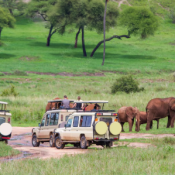

Kenya’s tourism sector is staging a steady and largely understated recovery, with new data pointing to strong momentum that could make 2026 a breakout year for one of the country’s most important economic pillars.

Industry stakeholders say the recovery has been driven not only by returning long-haul travellers but also by a surge in intra-African and domestic tourism, which has helped stabilise hotels, parks and coastal destinations even during traditional low seasons.
Domestic and Regional Travel on the Rise
While the United States and Europe remain key source markets, African travellers now account for a growing share of arrivals, supported by regional air links and cross-border travel. At the same time, domestic tourism continues to play a critical role. Bed-night occupancy by Kenyan residents increased by double digits in 2024, reflecting rising interest in local travel, staycations and short-haul experiences.
Tour operators say this mix of international and domestic demand has made the sector more resilient than before the pandemic.
Better Connectivity, Easier Access
Improved air connectivity is another major factor behind the rebound. Over the past two years, airlines have added new routes and increased frequencies into Nairobi and Mombasa from Europe, the Middle East and Asia. Regional carriers have also expanded services, making Kenya more accessible to African travellers.
Policy changes have complemented these developments. Kenya’s move to simplify entry requirements — including the introduction of an electronic travel authorisation system and visa-free access for many African nationals — has reduced friction for visitors and strengthened the country’s competitiveness as a destination.
Shifting Travel Tastes
Beyond traditional safaris and beach holidays, Kenya is benefiting from changing global travel preferences. There is growing demand for cultural tourism, community conservancies, eco-lodges and adventure activities such as hiking, cycling and water sports. Cruise tourism and business travel have also recorded renewed growth, reflecting efforts to diversify the tourism product.
Conservation-linked tourism, in particular, has gained international attention, with community-run conservancies increasingly seen as models that combine wildlife protection with local economic benefits.
Looking to 2026
Government planners are optimistic. Under the National Tourism Strategy, Kenya has set long-term targets of attracting between five and seven million international visitors annually by 2030, alongside increased domestic travel and higher tourism revenues.
If current trends hold, analysts believe 2026 could mark a turning point, when post-pandemic recovery gives way to sustained expansion. For an industry that supports millions of livelihoods, Kenya’s quiet comeback may soon become one of the country’s most visible success stories.