For anyone who has spent time in Lamu, one truth becomes clear very quickly:
nothing here bends to urgency. The tide decides when boats move. Narrow streets decide how people pass. Even conversations take their time. In Lamu, rushing feels out of place — and so does travel that arrives without listening. This is why Lamu quietly teaches one of the most important lessons about the future of meaningful travel.
Place Is Not the Experience. People Are.
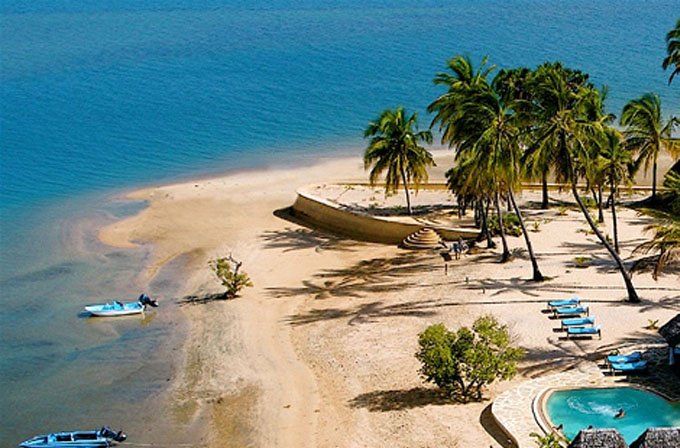
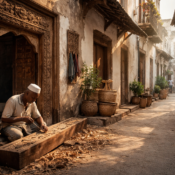
Lamu’s beauty is often described in terms of architecture, beaches, and history. But what gives the archipelago its depth is not what you see — it is who you meet. Fishermen reading the tide at Shela. Boat builders shaping dhows by hand in Amu. Families living generations deep within Swahili culture. These are not attractions. They are living systems of knowledge, survival, and identity. When travel engages these communities with respect, the experience becomes layered and real. When it treats them as scenery, Lamu loses what makes it Lamu.
What Happens When Travel Ignores Context
For years, parts of the coast have felt the pressure of tourism that moves too fast and takes too much. Experiences stripped of meaning. Prices are driven down without regard for who absorbs the cost. The result is familiar: livelihoods stretched thin, cultural practices simplified for convenience, and environments asked to carry more than they can sustain. Lamu, with its fragile coastline and deep-rooted traditions, cannot afford this model. And neither can travel itself.
Community Is the Infrastructure
In Lamu, sustainability is not introduced through policy or branding. It already exists in how people live.
Fishing seasons are respected. Mangroves are protected because they protect livelihoods. Space is shared carefully because land is limited. Community decisions are not optional — they are the foundation.
Travel that works here recognises this. It supports local guides, traditional transport, small-scale stays, and experiences shaped by residents themselves. It understands that community is not an add-on to the itinerary. It is the itinerary.
The Traveler Is Changing
More travelers are arriving in Lamu with different questions.
Not what can I see, but what should I understand.
Not how much can I fit in, but how do I belong respectfully, even briefly?
This shift matters. It rewards destinations that protect their identity instead of trading it away. It invites a slower, richer form of travel — one that values presence over consumption. At Grey Impala Safaris, we see Lamu not as a product, but as a relationship.
Our role is to create experiences that honour the pace, priorities, and voices of the communities who call this place home. That means choosing partners carefully, listening before designing, and allowing space for travelers to learn rather than rush.
This approach does not reduce the experience. It deepens it.
Looking Forward
The future of meaningful travel will not be built on more destinations, louder promises, or faster itineraries. It will be shaped by places like Lamu, where community wisdom sets the boundaries, and travel succeeds only when it respects them.
In Lamu, the lesson is simple:
When travel moves at the community’s pace, it lasts.
And that is the kind of future worth investing in.