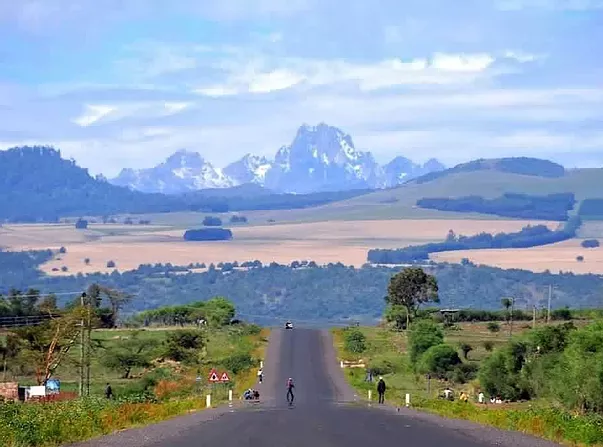
In Laikipia County, life moves to the rhythm of cattle grazing, seasonal rains, and the quiet passage of wildlife across open rangeland. For generations, pastoralist communities have shared this land with zebras, giraffes, and elephants — long before tourism arrived. Today, this coexistence is shaping one of Kenya’s most compelling sustainable travel stories.
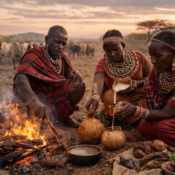
What makes Laikipia special is not just its wildlife, but the people who have managed the land for centuries. Here, pastoralism is not a threat to nature; it is a system of stewardship. Community herders work alongside conservancy rangers to ensure grazing, wildlife movement, and land use remain in balance. This harmony is fragile, yet resilient — and tourism has emerged as a partner rather than a disruptor.
As climate change intensifies drought cycles, grazing communities face increasing pressure on pasture and water. Sustainable tourism has become a vital complement, reducing overreliance on livestock while helping to protect the land that sustains both people and wildlife. Revenue from tourism supports controlled grazing, water infrastructure, and conflict mitigation between herders and wildlife.
Many of the guards, scouts, and safari drivers employed in Laikipia’s conservancies come directly from these communities. Former herders now monitor wildlife, participate in anti-poaching initiatives, and apply traditional knowledge to modern conservation practices. Safari drivers, raised among livestock and open rangelands, act as cultural interpreters — guiding visitors through stories of seasonal grazing, land stewardship, and the delicate balance between people and nature.
For travelers, Laikipia offers experiences that feel lived-in rather than staged. Safaris unfold against backdrops of grazing cattle, distant homesteads, and patrolling rangers. Conversations with guides move beyond wildlife sightings to include drought adaptation, sustainable grazing practices, and the evolving relationship between communities and conservation.
Grey Impala Safaris ltd connects visitors to these community-based conservancies, designing experiences that respect both livelihoods and landscapes. By partnering with local guides and supporting responsible accommodations, tourism becomes a shared asset — strengthening communities rather than competing with them.
Laikipia demonstrates that sustainability is not about separating people from nature, but about managing land in ways that allow wildlife, livestock, and livelihoods to thrive together. Here, the future of travel is being written on open rangeland — shaped by cattle tracks, conservation patrols, and visitors who choose to engage thoughtfully and respectfully.