Long before dawn breaks over the Ewaso Nyiro River, the land begins to stir. Elephants move silently between doum palms. Samburu herders walk their cattle toward water, silhouetted against a pale northern sky. It is a scene far removed from the crowds and convoys of the Maasai Mara — and that distance is exactly what is drawing travelers here.
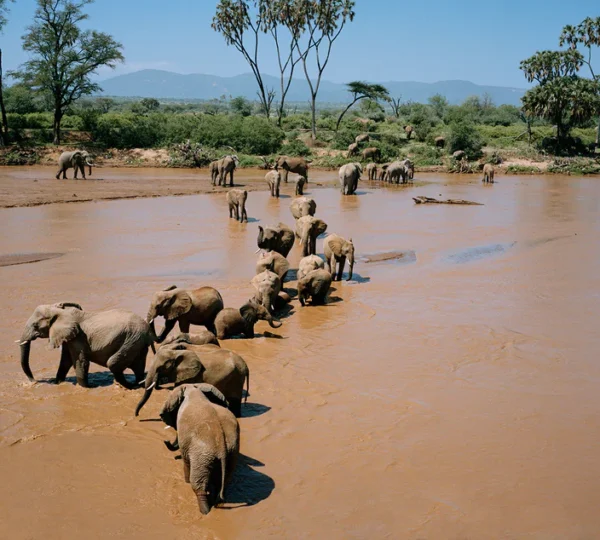
Ewaso Nyiro River
Samburu, in Kenya’s arid north, is emerging as one of the country’s most compelling alternatives for visitors seeking space, culture and unhurried adventure. Once considered remote and difficult, the region is now gaining attention as travelers look beyond marquee destinations toward places that feel raw, personal and deeply connected to local life.
A Landscape That Shapes the Journey
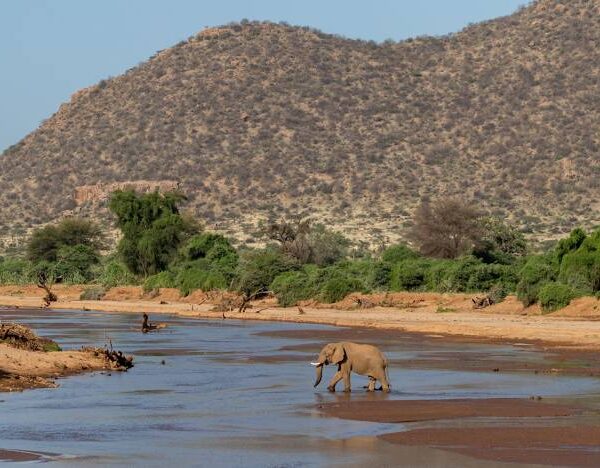
Samburu’s beauty is stark rather than lush. The land is sculpted by heat and time — rocky hills, acacia scrub and the life-giving ribbon of the Ewaso Nyiro. Wildlife gathers tightly around water, creating intimate viewing experiences that feel unscripted and close.
This is home to species rarely seen elsewhere in Kenya, including Grevy’s zebra, reticulated giraffe, Somali ostrich and the beisa oryx. Game drives here are slower and quieter, often shared only with the sound of wind and distant bells from pastoral herds.
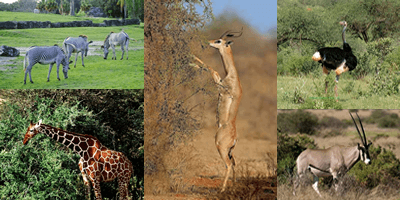
For travelers used to packed sightings in the south, Samburu offers something different: presence rather than spectacle.
Community at the Centre
What truly sets Samburu apart is the way tourism is woven into community life. Many lodges and camps operate on community or conservancy land, with local people directly involved as guides, rangers, hosts and decision-makers.
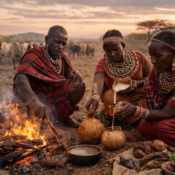
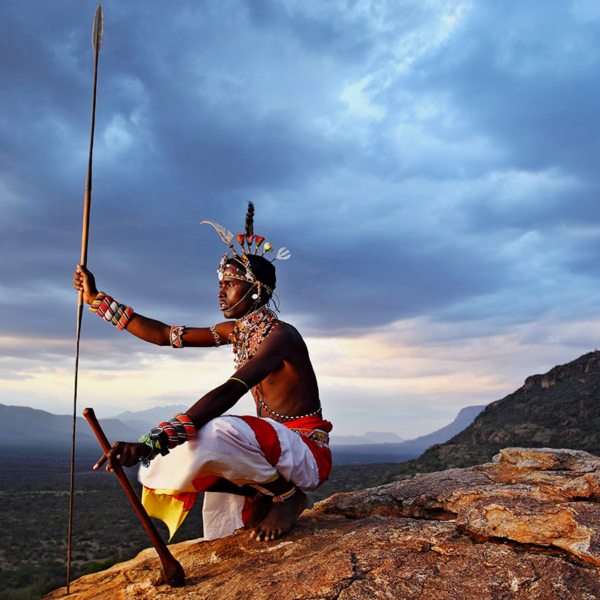
Visitors are invited — respectfully and on community terms — into Samburu culture. Guided village visits, storytelling evenings and walking safaris led by local warriors offer insight into a way of life shaped by resilience, mobility and deep environmental knowledge. These are not staged performances but exchanges that unfold slowly, often over conversation rather than ceremony.
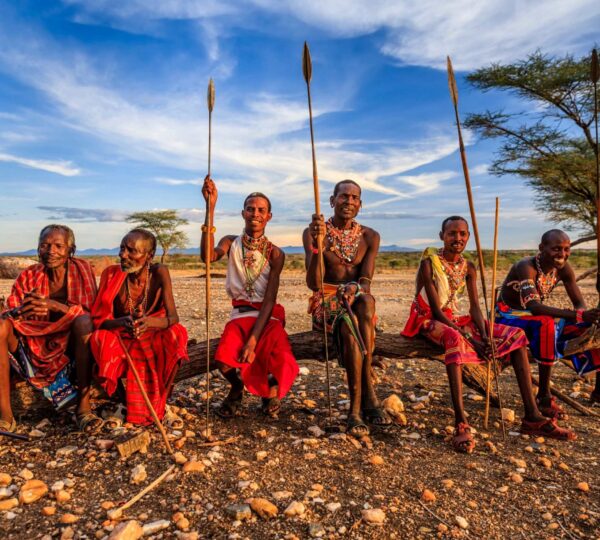
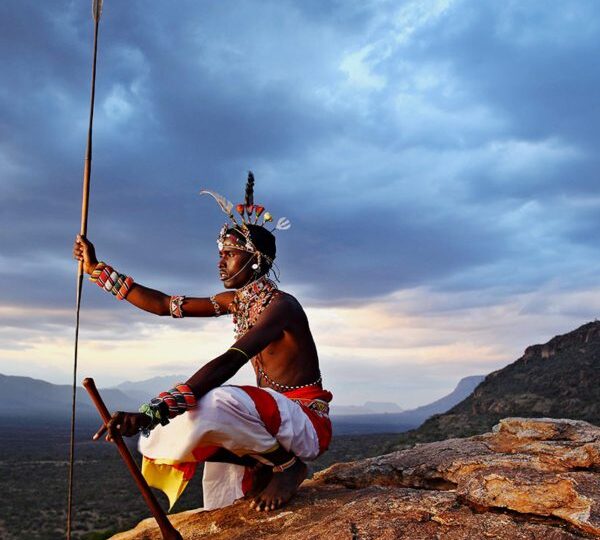
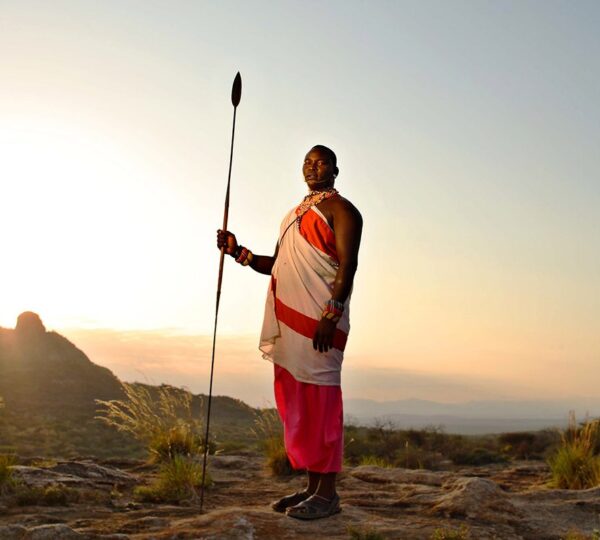
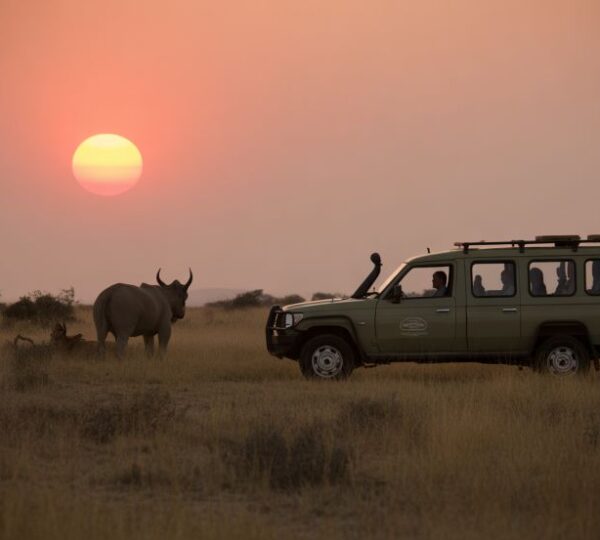
The impact is tangible. Tourism revenue supports education, healthcare, grazing management and wildlife protection, giving travelers a clearer sense of how their presence contributes to local livelihoods.
Adventure Without the Rush
Samburu is not about ticking boxes. Days unfold at an unforced pace. A morning game drive may be followed by hours of stillness at camp, watching animals come to drink. Afternoons are for guided nature walks, birding along the riverbanks or simply sitting beneath a tree as the heat softens.
For more adventurous travelers, the region offers camel treks, multi-day walking safaris and cultural journeys deeper into northern Kenya. These experiences reward patience and curiosity rather than speed — a growing draw for travelers seeking relief from tightly packed itineraries.
Why Samburu, Why Now
As Kenya’s tourism landscape evolves, Samburu represents a broader shift toward dispersion, sustainability and slow travel. Improved road access and increased interest in community conservancies have made the region more accessible, while its relative quiet remains intact.
Travelers are arriving not to consume Samburu, but to spend time with it — listening, learning and adapting to its rhythm. In doing so, they are discovering a Kenya that feels older, quieter and more grounded.
Beyond the Maasai Mara, Samburu is not trying to compete. It doesn’t need to. Its strength lies in offering something rarer: a journey that stays with you long after the dust has settled.