
Quick answer:
The best months for a Kenya safari are July to October, when grass is short, animals gather at water and the wildebeest migration reaches the Maasai Mara. January and February are a strong second window, with hot, clear days, excellent elephant viewing in Amboseli and fewer vehicles than the August peak.
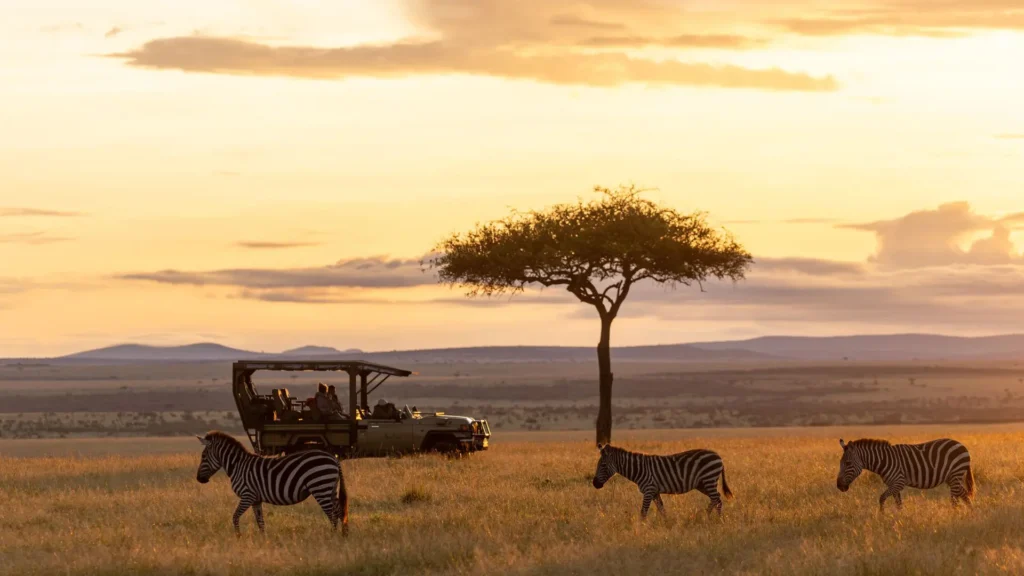
Kenya has no closed season. Game drives run every month of the year, lodges stay open through most of it, and wildlife does not disappear because it is raining. What changes month to month is how easy animals are to find, how many vehicles you share a sighting with, and how much the whole trip costs.
This guide works through the year park by park and month by month, so you can match your travel window to the experience you actually want.
| Period | Game viewing | Crowds | Rates | Short verdict |
| January to February | Very good | Moderate | Mid to high | Clear skies, best Kilimanjaro views, hot |
| March to early April | Fair to good | Low | Falling | Rains build, green landscapes, good value |
| Mid April to May | Variable | Lowest | Lowest | Long rains, some camps close, lush and quiet |
| June | Good | Low to moderate | Rising | The quiet start of the dry season |
| July to October | Excellent | Highest | Highest | Migration in the Mara, book far ahead |
| November to early December | Good | Low | Mid | Short rains, migratory birds, strong value |
| Mid December to early January | Very good | High | Peak | Festive season, dry and warm, book early |
Kenya’s seasons explained
Kenya sits on the equator, so temperature varies less through the year than rainfall does. Two rainy seasons shape the safari calendar.
The long rains run from late March into May. Rain usually arrives as heavy afternoon downpours rather than all-day drizzle, roads in black-cotton soil areas get difficult, and vegetation grows tall enough to hide wildlife.
The short rains fall from late October into December. They are lighter and more scattered, and they rarely interfere with game drives for more than an hour or two at a time.
The dry seasons are January to March and June to October. Water sources shrink, grass is grazed down, and animals concentrate in predictable places, which is why dry-season game viewing is easier.
Altitude matters too. The Maasai Mara sits roughly 1,500 to 1,800 metres above sea level, so dawn game drives are genuinely cold in July and August even though the afternoons are warm. The coast and the low-lying parks such as Tsavo East and Samburu stay hot all year.
January to March
What the weather does
Hot, bright and mostly dry, with daytime highs in the high twenties Celsius in the highland parks and well into the thirties in Samburu and Tsavo. Skies are at their clearest, which matters more than most people expect.
What the wildlife does
This is the best window for Amboseli, where Mount Kilimanjaro is most often visible at dawn and dusk and large elephant families move across the dust pans and swamps. Big cats are active across the Mara, and many plains animals have young. Northern Kenya is hot but rewarding: the Ewaso Ng’iro River pulls wildlife in and the Samburu specials are easier to find around it.
Birding is at its peak, because Kenya’s resident species are joined by migrants from Europe and Asia between November and April. Kenya has more than 1,100 recorded bird species, and this is when you see the most of them.
Who it suits
Photographers who want clean light and mountain backdrops, families travelling in the European winter holidays, and anyone who wants dry-season conditions without August prices. Our 3-day Amboseli safari with Mount Kilimanjaro views is deliberately short and timed for these clear-sky months.
April and May: the green season
These are the wettest weeks of the year and the least visited. Rates drop sharply, the landscape turns vivid green, and you will often have sightings to yourself.
The trade-offs are real. Grass grows tall, which makes cats harder to spot. Some seasonal camps close for maintenance. Unsurfaced park tracks can become slow or impassable, and a few riverine crossings in Tsavo and the Mara occasionally close after heavy rain.
It still works well if you choose your parks carefully. All-weather roads and good drainage make Lake Nakuru, Ol Pejeta and Nairobi National Park more dependable in the rains than remote corners of the Mara. Travellers who have been on safari before, and who care more about value and solitude than ticking off the Big Five in three days, often rate green-season trips highly.
A note on April and May pricing: green-season rates are not a marketing device. Many camps publish genuinely lower tariffs between the start of April and the end of May, and some include extras such as a free night on longer stays. If your dates are flexible and your expectations are realistic, this is the cheapest way to see Kenya properly.
June to October: peak safari and migration season
This is the stretch everyone asks about, and with reason.
June
The rains taper off, the land is still green and vehicle numbers remain low. Game viewing improves week by week. June is the most underrated month on the Kenyan calendar, particularly for travellers who want dry-season conditions and quieter parks.
July and August
The wildebeest herds arrive in the Maasai Mara from the Serengeti, usually from July, and the Mara River crossings become possible. Resident predators are joined by an enormous moving food supply, and the hunting is relentless. These are also the busiest and most expensive weeks of the year, and the better camps sell out six to twelve months ahead.
September and October
Many guides quietly prefer these two months. The herds are still in the Mara, vehicle numbers thin out after the August school holidays, and conditions stay dry. By late October the herds begin drifting back south.
Crossings cannot be scheduled. They depend on rainfall, grazing and herd behaviour, and a herd can wait two days on a riverbank before moving. Three nights in the Mara meaningfully improves your odds compared with two. For the timing detail, including which river sections are most active in each month, read our guide to the best time to see the wildebeest migration in the Maasai Mara, and see how we structure a migration trip in the 4-day Masai Mara wildebeest migration safari from Nairobi.
November and December
The short rains arrive in late October or early November, usually as brief afternoon storms. Dust settles, the plains green up, and migratory birds arrive in numbers. November is one of the best value months of the year and one of the quietest in the Mara.
By mid December the weather is typically dry and warm again, and the festive season brings a sharp, short price peak that runs to the first week of January. If you want to travel over Christmas, book well ahead and expect minimum-stay requirements at popular camps.
Best time by park
| Park or reserve | Best months | Why | Months to avoid |
| Maasai Mara | July to October, and January to February | Migration, then dry-season cat viewing | Long rains, when tracks get difficult |
| Amboseli | January to February, June to October | Clearest Kilimanjaro views, elephants on open pans | April and May, when swamps spread |
| Tsavo East and Tsavo West | June to October, January to February | Dry scrub concentrates wildlife at waterholes | April and May, tall grass and heat |
| Samburu and Buffalo Springs | June to October, January to February | River draws the northern specials | Hottest, driest weeks suit some travellers less |
| Lake Nakuru and Naivasha | Year-round | All-weather roads, rhino and birdlife | None, though flamingo numbers vary with water levels |
| Ol Pejeta and Laikipia | Year-round | Higher, cooler, well-drained conservancies | None |
| Kenyan coast (Diani, Watamu, Lamu) | December to March, July to October | Calmer seas and clear water in the northeast monsoon | April to early June, the wettest coastal weeks |
Our 5-day Samburu and Ol Pejeta safari pairs two of the destinations that work in almost any month, which is useful if your dates are fixed by work or school terms.
Best time by traveller type and budget
- First-time safari: July to October if you can afford peak rates, otherwise late January or June.
- Families with school-age children: mid July to August for the migration, or late December for warm, dry weather and family rooms.
- Honeymoons and couples: September, when the Mara is still full of wildlife and the crowds have thinned, or February on the coast.
- Photographers: February for light and dust in Amboseli, September for migration action without August traffic.
- Birders: November to April, when Palearctic migrants are present.
- Tight budgets: April, May and November. Lower rates, fewer vehicles and a landscape most visitors never see.
- Serious value hunters: June. Dry-season conditions start to bite while shoulder rates still apply at many camps.
Park fees and prices by season
Three separate costs move with the calendar.
Park and reserve entry fees. The Kenya Wildlife Service sets conservation fees for national parks, and these are charged per adult per 24 hours, with higher rates in peak months at some parks. The Maasai Mara National Reserve is managed by Narok County rather than KWS, and its fees rose significantly in recent years, with a higher peak-season rate. Always ask for fees to be itemised in writing, and check current tariffs with the Kenya Wildlife Service before you finalise a budget.
Accommodation rates. Most camps run three or four seasons: peak (roughly July to October plus the festive period), high, low and green season. The gap between green-season and peak rates at the same camp can exceed 40 percent.
Flights and transfers. Scheduled light-aircraft seats to the Mara and Amboseli are priced fairly consistently, but availability tightens in peak season, which pushes you towards less convenient departure times.
Working out your own best month? Tell us your travel dates, who is coming and what you most want to see, and we will tell you honestly whether your window suits the Mara, Amboseli, the north, or a combination. Browse our Kenya safari itineraries or ask us to build one around your dates.
Frequently asked questions
What is the cheapest month to visit Kenya?
April and May are the cheapest months, because they fall in the long rains. Many camps publish green-season rates, flights are easier to find and parks are quiet. November is the next cheapest and usually has better driving conditions.
Which month is best for the wildebeest migration?
August and September are the most reliable months for herds in the Maasai Mara and for river crossings, with July and October also strong. The exact timing shifts each year with rainfall, so flexible dates and at least three nights in the Mara improve your chances.
Is April a bad time for a Kenya safari?
April is the wettest month in much of Kenya, so it is the hardest month for spotting wildlife in long grass and on soft tracks. It is not a write-off. Well-drained parks such as Lake Nakuru, Ol Pejeta and Nairobi National Park perform well, rates are at their lowest and the scenery is at its greenest.
When can you see Mount Kilimanjaro from Amboseli?
The mountain is most often clear in the dry months, especially January to February and June to October, and it is usually visible at sunrise and in the late afternoon rather than in the middle of the day. Cloud builds through the morning in most seasons.
Can you combine a safari and the Kenyan coast at any time of year?
Yes, though the coast is at its best from December to March and again from July to October. April and May bring the heaviest coastal rain. For bush and beach pairings and realistic transfer times, see our safari and beach holidays page.
How far ahead should I book a Kenya safari?
For July to October and the festive season, six to twelve months ahead for the better camps, and earlier if you want a specific small camp in the Mara conservancies. For green season and November, two to three months is usually enough.
Choosing your month with confidence
If you want the migration, travel between July and October and accept the crowds. If you want clear mountain views and hot, bright days, choose January or February. If value and solitude matter more than easy sightings, April, May and November are better than their reputation suggests.
Whichever window you pick, the park you choose matters as much as the month. Compare destinations on our Kenya safari destination guide or go straight to the Maasai Mara safari options if the migration is the reason you are travelling.