
Quick Answer
Tsavo East and Tsavo West are two separate national parks in southern Kenya, divided by the Mombasa to Nairobi highway and railway. Tsavo East is larger, flatter and drier, known for big herds of red elephants and quick access from Mombasa. Tsavo West is hillier and greener, with Mzima Springs, lava flows and a black rhino sanctuary.
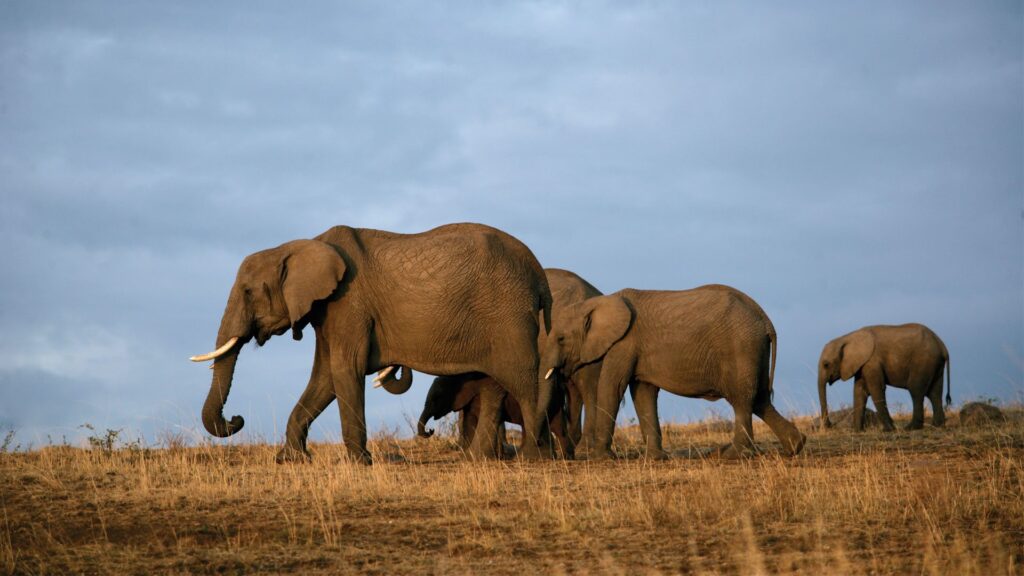
If you are planning a safari from the Kenyan coast, one question comes up again and again: Tsavo East or West? Both parks share a famous name, both lie within a few hours of Mombasa, and both are home to elephants, lions and buffalo. Yet once you drive through the gate, they feel like two very different places.
This guide on Tsavo East vs Tsavo West breaks the choice into nine clear differences, from landscape and wildlife to drive times and how many nights to stay. By the end, you will know which park suits your trip, or whether you should see both.
Key takeaways
- Choose Tsavo East for short trips from Mombasa, wide open plains and large elephant herds.
- Choose Tsavo West for dramatic scenery, black rhino, Mzima Springs and more varied game drives.
- Stay 1 to 2 nights in Tsavo East, 2 nights in Tsavo West, or 3 to 4 nights to enjoy both.
- The wider Tsavo ecosystem held 14,964 elephants in the 2021 national census, the largest population in Kenya.
What Are Tsavo East and Tsavo West?
Tsavo East and Tsavo West are neighbouring national parks managed by the Kenya Wildlife Service (KWS). They were created as a single Tsavo National Park in 1948 and later split into two parks for easier management. The busy Mombasa to Nairobi highway and the railway run between them.
Together they cover roughly 22,800 square kilometres, about 4 percent of Kenya’s land area. That makes Tsavo one of the largest protected wildlife areas in Africa and one of the most popular Kenya safari destinations for travellers on the coast.
Tsavo East vs Tsavo West at a Glance
Here is a side by side comparison of the two parks. Use it as a quick reference, then read the detailed differences below.
| Feature | Tsavo East | Tsavo West |
|---|---|---|
| Size | About 13,747 sq km (the larger park) | About 9,065 sq km |
| Landscape | Flat, dry savanna, red soil, wide views | Volcanic hills, lava flows, springs, thicker bush |
| Elephants | Large, easy to spot herds of red elephants | Common, but harder to see in dense bush |
| Rhinos | Present but rarely seen | Best chance in the fenced Ngulia Rhino Sanctuary |
| Big cats | Lions and better odds for cheetah on open plains | Lions and better odds for leopard in rocky areas |
| Signature attractions | Yatta Plateau, Lugard Falls, Mudanda Rock, Aruba Dam | Mzima Springs, Shetani Lava Flow, Chaimu Crater, Lake Jipe |
| Access from Mombasa | About 2 to 3 hours to Buchuma or Voi Gate | About 4 hours or more, depending on the gate |
| Ideal stay | 1 to 2 nights | 2 nights |
| Best for | First-time visitors, families, short coast trips | Photographers, repeat visitors, scenery lovers |
9 Differences Between Tsavo East and Tsavo West
1. Size and Landscape: Open Plains vs Volcanic Hills
Tsavo East is the bigger and flatter park, while Tsavo West is smaller but far more varied in scenery.
Tsavo East covers around 13,747 square kilometres of semi-arid bush and grassland. The land is mostly flat, the soil is a striking red, and the horizon feels endless. Much of the northern part of the park is closed to the public, so most game drives focus on the south, around the Voi and Galana rivers.
Tsavo West covers about 9,065 square kilometres, but it packs in more variety. You will drive past volcanic cones, black lava fields, rocky hills and green river valleys. On clear mornings, parts of the park even offer views of Mount Kilimanjaro across the Tanzanian border.
In simple terms, Tsavo East feels wild and wide open. Tsavo West feels rugged and dramatic.
2. Elephants: Where the Red Giants Rule
Both parks have plenty of elephants, but Tsavo East is where you will see them most easily and in the biggest groups.
Tsavo is Kenya’s elephant stronghold. According to reporting on the national census, the wider Tsavo ecosystem held 14,964 elephants in 2021, more than any other area in the country.
Tsavo’s famous “red elephants” are not a separate species. They spray themselves with water and roll in the red soil, which coats their skin and protects them from sun and insects. Because Tsavo East has open plains and fewer trees, herds are easy to spot, especially around Aruba Dam, along the Galana River and on the Voi River circuit in the dry season.
In Tsavo West, elephants are still common, but the thicker bush and hills can hide them. You are more likely to meet them near water, such as Mzima Springs or Lake Jipe.
3. Rhinos: Tsavo West Holds the Better Odds
If seeing a black rhino is a priority, choose Tsavo West and ask your guide to include the Ngulia Rhino Sanctuary.
Ngulia Rhino Sanctuary is a fenced, heavily protected area at the foot of the Ngulia Hills in Tsavo West. It was created to help the critically endangered black rhino recover after heavy poaching in the 1970s and 1980s. Visitors can drive through during set hours, and the waterholes are the best places to wait.
Black rhinos also live in Tsavo East, but they roam a much larger area and are seldom seen by visitors. Be aware that rhinos are shy and mostly active at dawn and dusk, so a sighting is never guaranteed in either park. Patience and an experienced guide make a real difference.
| Not Sure Which Tsavo Park Fits Your Dates? Tell us how many days you have and where you are staying on the coast. Our safari team will suggest the right park and lodge for you.[Plan My Tsavo Safari ] |
4. Big Cats: Maneless Lions, Cheetahs and Leopards
Lions live in both parks. Tsavo East gives slightly better chances for cheetah, while Tsavo West is better for leopard.
Tsavo is known for its lions, and many of the males have short or thin manes. Scientists believe the hot, dry climate plays a part. The area is also linked to the famous “Man-Eaters of Tsavo”, two lions that attacked railway workers near the Tsavo River bridge in 1898. Their story is still told on game drives today, and the lions themselves are on display at the Field Museum in Chicago.
Cheetahs prefer open country where they can chase prey at speed, so the plains of Tsavo East suit them better. Leopards like rocky outcrops, riverine forest and thick cover, which makes the hills and lava areas of Tsavo West a good place to look.
A quick honest note: Tsavo is a huge wilderness with thick bush in places, so big cat sightings take more effort than in smaller, open reserves such as the Maasai Mara. The reward is that you often have a sighting all to yourself.
5. Signature Attractions: What Each Park Is Famous For
Tsavo East is famous for its plateau, waterfalls and rock features. Tsavo West is famous for its springs, lava flows and craters.
Top sights in Tsavo East
- Yatta Plateau: a long, flat-topped lava ridge that runs for around 290 kilometres, often described as one of the longest lava flows in the world.
- Lugard Falls: a series of rapids where the Galana River squeezes through water-worn rock. Look out for crocodiles further downstream at Crocodile Point.
- Mudanda Rock: a long rock outcrop that collects rainwater, drawing elephants and other animals in the dry season.
- Aruba Dam: a man-made reservoir that becomes a wildlife magnet when the rains stop.
Top sights in Tsavo West
- Mzima Springs: crystal-clear pools fed by underground water from the Chyulu Hills. An underwater viewing chamber lets you watch fish, and sometimes hippos, from below the surface.
- Shetani Lava Flow: a vast field of black lava left by a relatively recent eruption. “Shetani” means “devil” in Swahili.
- Chaimu Crater: a small volcanic cone you can climb for wide views over the park.
- Roaring Rocks and Poacher’s Lookout: high viewpoints with sweeping views of the plains and, on a clear day, Kilimanjaro.
- Lake Jipe: a quiet lake on the Tanzania border, good for birds, hippos and crocodiles.
6. Coast Access: Tsavo East Is Closer to Mombasa
Tsavo East is the easier park to reach from Mombasa, Diani and the south coast. Tsavo West takes longer but is still very doable by road.
From Mombasa, the Buchuma Gate and Voi Gate of Tsavo East are roughly two to three hours by road, depending on traffic on the highway. Guests staying around Malindi and Watamu often enter through Sala Gate on the eastern side. The SGR train also stops at Voi, close to the park.
Tsavo West usually takes about four hours or more from Mombasa, depending on which gate you use. Many travellers pass through Tsavo East first or break the trip with a stop along the way, which turns the drive into part of the adventure.
This short drive time is why Tsavo is the most popular choice for road safaris from Mombasa. If you are weighing up driving against flying, our guide to road safari vs fly-in safari explains the trade-offs.
7. Ideal Number of Nights in Each Park
Plan 1 to 2 nights for Tsavo East, 2 nights for Tsavo West, and 3 to 4 nights if you want to see both properly.
| Trip length | What works best |
|---|---|
| Day trip | Tsavo East only. Possible from Mombasa, but it means an early start and a long day on the road. |
| 1 night | Tsavo East. You get an afternoon drive, a sunset and an early morning drive when animals are most active. |
| 2 nights | Tsavo East for relaxed game viewing, or Tsavo West if you want Mzima Springs and the rhino sanctuary. |
| 3 to 4 nights | Both parks. Start in Tsavo East, then cross the highway into Tsavo West. |
| 5 nights or more | Both Tsavo parks plus Amboseli for close-up elephant views with Kilimanjaro behind. |
Staying overnight matters. The best wildlife activity happens in the first and last hours of daylight, which you miss on a rushed day trip.
8. Best For: Photographers vs Families
Photographers usually prefer Tsavo West for its landscapes, while families often find Tsavo East easier and more rewarding.
For photographers
Tsavo West gives you more variety in one frame: lava fields, volcanic cones, clear springs and, on good days, Kilimanjaro on the skyline. The Ngulia area is also known among birders for the large numbers of migrant birds that pass through late in the year.
Tsavo East is the place for classic wildlife shots. Red elephants against golden grass and wide skies, with clean backgrounds and soft light at sunrise, make for some of the most striking images in Kenya.
For families
Tsavo East suits families with younger children. Drive times from the coast are shorter, the open plains make animals easy for kids to spot, and a one or two night stay fits easily into a beach holiday.
Older children often love Tsavo West, especially the underwater viewing chamber at Mzima Springs and climbing the lava viewpoints. Walks at Mzima are done on marked paths with an armed ranger, so always follow your guide’s instructions.
For more ideas, see our family safaris, the Kenya safari with kids guide and our list of the best safari parks in Kenya for families.
9. When to Combine Tsavo East and Tsavo West
Combine both parks if you have at least three nights, want a better chance of seeing rhino, and would like to experience two very different landscapes on one trip.
A combined Tsavo East vs West safari makes sense when:
- You have three or more nights and want variety rather than repeating the same drives.
- You are a repeat safari traveller looking for more than elephants and plains game.
- You want to tick off more of the Big Five, since each park has different strengths.
- You plan to continue to Amboseli or Nairobi, so crossing through Tsavo West fits your route.
A popular route is Mombasa to Tsavo East, then across to Tsavo West, and either back to the coast or on to Amboseli. You can see sample itineraries on our road safaris in Kenya page.
Best Time to Visit Tsavo East and Tsavo West
The best time to visit both parks is the dry season, from late June to October and from January to February.
During these months, animals gather near rivers, springs and waterholes, and the thinner vegetation makes them easier to see. The green seasons, roughly March to May and November to December, bring lush scenery, newborn animals and fewer vehicles, though some tracks can become muddy after heavy rain.
Tsavo East or West: Which Tsavo Park Is Better for You?
So, which Tsavo park is better? It depends on your time, your interests and where you are starting from.
- Choose Tsavo East if you are short on time, travelling with young children, or want easy elephant sightings close to Mombasa.
- Choose Tsavo West if you care most about scenery, rhino, leopard and unique sights like Mzima Springs.
- Choose both if you have three or more nights and want the fullest picture of Tsavo.
Whichever you pick, you will be exploring one of the wildest and least crowded safari regions in Kenya.
| Ready to See Tsavo for Yourself? Book a private road safari from Mombasa, Diani or Malindi. We handle the vehicle, guide, park logistics and lodges so you can focus on the wildlife.[ View Road Safaris in Kenya ] |
Frequently Asked Questions
Which is better, Tsavo East or Tsavo West?
Neither park is better for everyone. Tsavo East is better for short trips from Mombasa, open plains and big elephant herds. Tsavo West is better for scenery, black rhino, leopard and attractions like Mzima Springs. If you have three or more nights, visit both.
Can I visit Tsavo East and Tsavo West on one safari?
Yes. The two parks sit next to each other, separated by the Mombasa to Nairobi highway, so combining them is easy by road. Plan at least three nights: one or two in Tsavo East and two in Tsavo West.
Can I do a day trip to Tsavo East from Mombasa?
Yes, a day trip to Tsavo East from Mombasa is possible because the nearest gates are roughly two to three hours away by road. It makes for a long day, so an overnight stay gives you calmer game drives at dawn and dusk, when animals are most active.
Where can I see rhinos in Tsavo?
Your best chance is the Ngulia Rhino Sanctuary in Tsavo West, a fenced and guarded area set aside for black rhino. Black rhinos also live in Tsavo East, but they are rarely seen there. Rhinos are shy, so sightings are never guaranteed in either park.
Why are the elephants in Tsavo red?
Tsavo elephants are not a different species. They look red because they spray and roll in the park’s red soil, which coats their skin and helps protect them from sun and insects. The effect is strongest in Tsavo East.
Can you see the Big Five in Tsavo?
All of the Big Five (lion, leopard, elephant, buffalo and rhino) live in the Tsavo parks. Elephant and buffalo are easy to find in both. Tsavo West gives you better odds for rhino and leopard, while lion sightings are possible in both parks but take patience.
What is the best time to visit Tsavo East and Tsavo West?
The best time to visit Tsavo is during the dry seasons, from late June to October and from January to February. Animals gather near rivers and waterholes and the bush is thinner, which makes wildlife easier to spot.
How far is Tsavo from Mombasa?
Tsavo East is the closer park, with the Buchuma and Voi gates about two to three hours from Mombasa by road. Tsavo West usually takes around four hours or more, depending on the gate you use and traffic on the highway.